
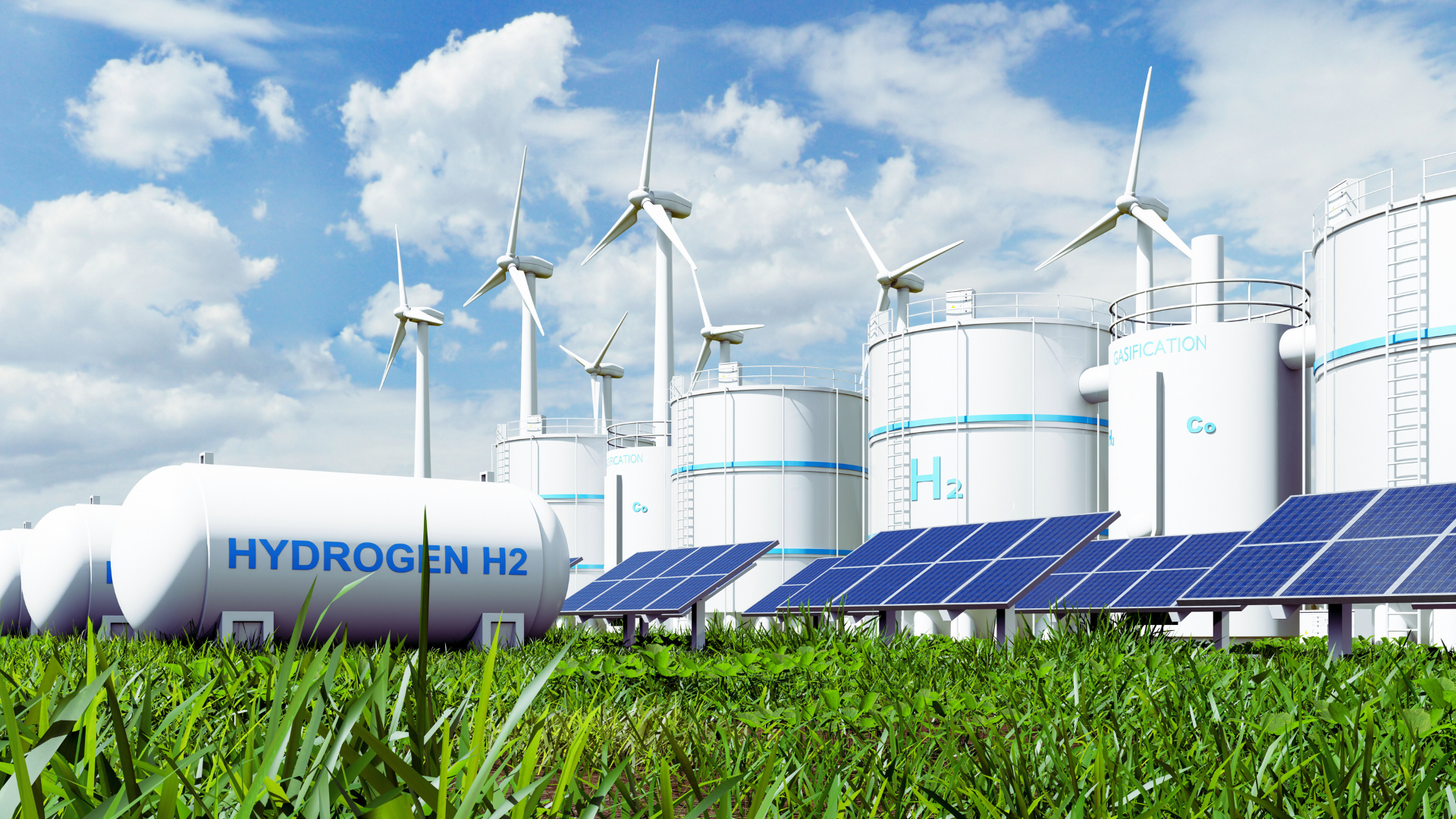
Green technology plays a significant role in reducing environmental footprints by minimising waste, lowering emissions, and conserving resources. It achieves this through innovations that improve energy efficiency and promote the use of renewable resources.
By replacing traditional, high-impact practices with cleaner alternatives, green technology directly reduces pollution and resource depletion. This shift not only helps slow climate change but also supports sustainable development.
As companies and individuals adopt these technologies, the cumulative effect contributes to a healthier planet. Understanding how green technology functions is essential for recognising its potential and encouraging widespread use.
Understanding Environmental Footprints and the Role of Green Technology
Measuring human impact on the planet requires defining key metrics like environmental and carbon footprints. Technologies designed to reduce these footprints can lower the consumption of natural resources and greenhouse gas emissions. Factors such as energy sources, waste management, and resource use all influence the scale of ecological footprints.
Defining Environmental and Carbon Footprints
An environmental footprint measures the total impact of human activities on natural systems. It accounts for resource consumption, waste production, and land use. Within this, the carbon footprint specifically quantifies greenhouse gas emissions, expressed as carbon dioxide equivalents.
Carbon footprints originate from energy use, transportation, manufacturing, and agriculture. These emissions contribute to climate change by increasing atmospheric greenhouse gases. Measuring footprints helps identify areas where reductions in carbon dioxide emissions can mitigate environmental degradation.
Environmental footprints extend beyond carbon to include water use, soil depletion, and biodiversity loss. Together, these offer a comprehensive view of how daily choices affect planetary sustainability.
How Green Technology Minimises Environmental Impact
Green technology focuses on reducing carbon dioxide emissions and conserving natural resources by improving efficiency and using renewable energy sources. Examples include solar panels, wind turbines, and electric vehicles. These technologies replace fossil fuels, reducing greenhouse gas emissions.
In manufacturing, green technology uses materials and processes that produce less waste and lower pollution. Smart grids and energy-efficient buildings optimise electricity use, further shrinking ecological footprints.
By incorporating circular economy principles, green technology promotes reusing and recycling materials, reducing resource extraction and waste accumulation. This approach mitigates environmental degradation and supports long-term sustainability goals.
Key Factors Influencing Our Ecological Footprint
Several factors shape an individual’s or organisation’s ecological footprint. Energy consumption patterns play a critical role; reliance on fossil fuels increases greenhouse gas emissions, whereas renewable energy lowers carbon outputs.
Consumption behaviours, such as diet choices and product life cycles, also influence footprints. Transport methods matter significantly; private vehicle use emits more carbon dioxide than public transit or cycling.
Policy and infrastructure can either amplify or reduce footprints. For example, urban planning that encourages green spaces lowers environmental impact, while inefficient systems increase it. Awareness and adoption of green technology remain vital to controlling these factors.
Core Green Technologies Reducing Environmental Footprints
Several key technologies contribute significantly to lowering environmental impacts, focusing on energy production, transportation, building efficiency, and power management. These innovations target reductions in greenhouse gas emissions and dependence on fossil fuels.
Renewable Energy Innovations
Renewable energy technologies such as solar panels and wind turbines have expanded rapidly, producing clean electricity without direct CO2 emissions. Solar power utilises photovoltaic cells to convert sunlight into energy efficiently, suitable for residential, commercial, and utility-scale applications.
Wind energy benefits from both onshore and increasingly from offshore wind farms, where stronger, consistent winds improve output. Advances in turbine design have increased capacity while reducing costs.
Biomass and hydrogen fuel cells also contribute to renewable energy mixes, offering alternatives for sectors hard to electrify. Together, these sources reduce reliance on fossil fuels and lower the overall carbon footprint of energy generation.
Sustainable Transportation Solutions
Sustainable transportation focuses mainly on electric vehicles (EVs), which reduce tailpipe emissions. Companies like Tesla have driven innovation in battery technology, enhancing range and performance.
Charging infrastructure improvements make EVs more accessible, supporting widespread adoption. Hydrogen fuel cells provide zero-emission options for heavy transport and long-haul travel.
Public transit electrification and integration with renewable energy further decrease CO2 emissions. Automobiles use lighter materials and energy-efficient lighting, contributing to overall energy savings.
Energy Efficiency in Buildings and Industry
Energy efficiency in buildings is achieved through insulation, energy-efficient appliances, and LED lighting. These measures reduce energy demand, directly lowering fossil fuel use and emissions.
Industrial sectors implement process optimisation, waste heat recovery, and automation to improve efficiency. Energy management systems monitor usage and identify savings opportunities.
Regulations and standards encourage the adoption of low-carbon technologies and eco-friendly design. Investments in retrofitting outdated infrastructure significantly reduce environmental footprints in urban areas.
Smart Grids and Energy Storage Advancements
Smart grids integrate renewable energy sources with existing power systems, optimising electricity flow and demand response. They help balance intermittent generation from solar and wind.
Advanced energy storage technologies, particularly in battery development, store excess power and release it when needed, enhancing grid stability. Large-scale storage supports renewable integration and reduces reliance on fossil fuel peaking plants.
Smart meters and real-time data allow consumers to manage usage more efficiently. Digital controls create resilient energy systems capable of adapting to fluctuating renewable supply and demand patterns.
Sustainable Systems: Agriculture, Waste Management and Circular Economy
Efficient resource use, reduced emissions, and innovative technologies are key to lowering environmental footprints in food production and waste handling. These approaches also promote long-term sustainability through smarter resource cycles and reduced waste volumes.
Green Technology in Sustainable Farming
Sustainable agriculture increasingly relies on precision farming, which uses GPS, sensors, and data analytics to optimise water, fertiliser, and pesticide use. This reduces waste and chemical runoff, preserving soil and water quality.
Vertical farming offers an alternative by growing crops in controlled indoor environments, minimising land use and water consumption. It uses LED lighting tailored to plant needs, cutting energy use compared to traditional greenhouse systems.
Technology also supports anaerobic digestion of farm waste, turning organic material into biogas. This process lowers methane emissions while producing renewable energy, addressing both waste management and energy demands.
Innovations in Waste Reduction and Recycling
Waste management is shifting towards waste-to-energy conversion, which incinerates non-recyclable waste to generate electricity or heat, reducing landfill volume. Modern facilities meet strict environmental regulations to limit harmful emissions.
Biodegradable plastics are rising in use as alternatives to conventional plastics, breaking down more quickly in composting facilities. This technology helps reduce persistent plastic pollution in landfills and marine environments.
Recycling improvements include better sorting technologies and chemical recycling that breaks down plastics to reusable monomers. These advances increase material recovery rates and lower demand for virgin resources.
The Circular Economy and Resource Optimisation
The circular economy focuses on extending product lifecycles by promoting repair, reuse, and recycling. It reduces raw material extraction and waste generation across industries.
Businesses adopt resource optimisation strategies such as eco-design and modular products to facilitate easier recycling. These approaches align with stricter environmental policies encouraging sustainable production.
By closing loops, the circular economy limits environmental impact through less resource depletion and waste. Its principles encourage innovation in materials and processes, which further support sustainable development goals.
Challenges, Benefits, and the Future of Green Technology
Green technology advances face several hurdles but also drive notable economic and environmental benefits. Policy frameworks and global commitments shape its trajectory towards carbon neutrality and sustainable development.
Overcoming Barriers to Green Technology Adoption
Green technology adoption often encounters financial and technical barriers. High initial costs of renewable energy systems and green building design challenge widespread deployment in developing regions.
Technological innovation, such as artificial intelligence in energy management, can reduce costs over time. However, lack of awareness and resistance to change in industries slow progress.
Infrastructure limitations and regulatory uncertainty also hinder scale-up. Coordinated efforts between governments and the private sector are essential to remove these obstacles and spur green growth.
Benefits: Economic Growth and Job Creation
Green innovation promotes economic growth by creating new markets and industries. Renewable energy sectors, for example, have generated millions of jobs worldwide in manufacturing, installation, and maintenance.
Environmental technology development drives green growth while reducing dependency on fossil fuels. Job creation in sustainable industries supports local economies and improves social inclusion.
Investments in green tech encourage innovation ecosystems, boosting competitiveness. This economic shift aligns with sustainability goals and enhances resilience against climate risks.
Green Technology Policy and Regulation
Environmental regulation plays a critical role in accelerating green technology adoption. Policies enforcing emissions limits and incentives for renewable energy encourage businesses to innovate.
The Paris Agreement establishes international frameworks supporting carbon neutrality through regulatory measures. Subsidies, tax credits, and penalties guide market behaviour towards sustainable solutions.
Effective legislation balances economic and environmental interests. Transparent regulatory environments increase investor confidence in green tech projects and encourage wider participation.
The Path Towards Carbon Neutrality and Global Sustainability Goals
Achieving carbon neutrality requires scaling green technology innovations alongside energy efficiency improvements. Renewable energy systems and sustainable development must align with global sustainability goals.
Green tech contributes directly to meeting targets outlined in international agreements like the Paris Agreement. Artificial intelligence advances optimise energy consumption and emissions monitoring.
Collaboration between governments, industries, and research institutions accelerates progress. Integrated approaches combining green innovation and policy support are vital for long-term environmental impact reduction.