
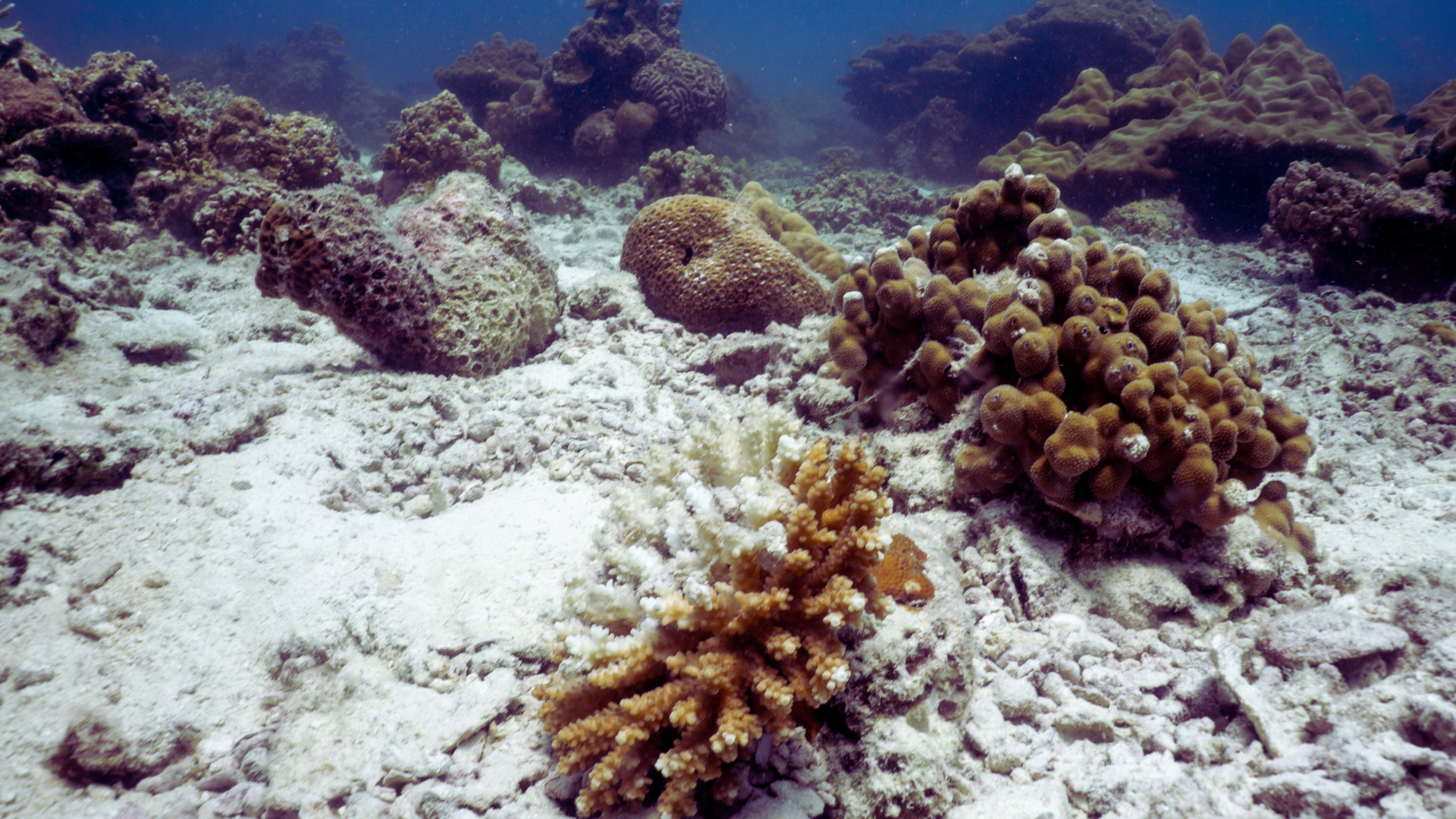
Ocean acidification is a growing threat to marine life caused by the increasing absorption of carbon dioxide (CO₂) from the atmosphere into the oceans. This process lowers the pH of seawater, making it more acidic and disrupting the delicate balance that many marine species rely on to survive.
The most significant impact of ocean acidification is its harmful effect on calcifying organisms such as corals, shellfish, and some plankton, which struggle to form and maintain their shells and skeletons in more acidic waters. These changes can ripple through the entire marine food web, affecting biodiversity and ecosystems.
As ocean chemistry shifts, creatures essential to the health of the oceans face unprecedented challenges that could lead to population declines and altered habitats. Understanding these impacts is vital for recognising the urgent need for action to protect marine environments.
The Chemistry of Ocean Acidification
Ocean acidification results from changes in chemical processes that affect seawater pH and carbonate chemistry. The interaction between atmospheric carbon dioxide and seawater alters the balance of key ions such as carbonate, bicarbonate, and hydrogen ions.
How Carbon Dioxide Alters Ocean Chemistry
When atmospheric CO2 dissolves in seawater, it reacts with water molecules to form carbonic acid (H2CO3). This compound quickly dissociates into bicarbonate (HCO3⁻) and hydrogen ions (H⁺). The increase in hydrogen ions directly impacts the acidity of seawater by lowering its pH.
The term dissolved inorganic carbon (DIC) refers to the combined amounts of carbon dioxide, carbonic acid, bicarbonate, and carbonate ions in seawater. The continuous absorption of CO2 from the atmosphere shifts the equilibrium among these forms, increasing carbonic acid concentrations and disrupting chemical balance.
Declining pH and Hydrogen Ion Concentration
The rise in hydrogen ions from carbonic acid dissociation causes seawater pH levels to decline, making the ocean more acidic. Even slight variations in pH can significantly affect marine organisms that rely on stable chemical conditions.
pH is a logarithmic scale, so a small decrease represents a large increase in acidity. This shift in ocean pH alters many chemical processes important for marine ecosystems. Acidic waters can interfere with biological functions such as shell formation and respiration in various species.
Reduction of Carbonate Ions and Its Consequences
Carbonate ions (CO3²⁻) are crucial for calcifying organisms like corals and shellfish that build calcium carbonate structures. Increased hydrogen ion concentrations react with carbonate ions to produce more bicarbonate, reducing carbonate ion availability.
Lower carbonate ion concentrations compromise the ability of marine creatures to form and maintain shells and skeletons. This reduction in carbonate ions disrupts carbonate chemistry essential for structural integrity and growth. The decline poses a long-term threat to biodiversity and ecological balance in ocean habitats.
Impacts on Marine Life and Ecosystems
Ocean acidification alters the chemistry of seawater, affecting numerous marine organisms and their habitats. Many species rely on calcium carbonate to build shells or skeletons, and changes in acidity reduce their ability to form and maintain these structures. This impact cascades through ecosystems, influencing biodiversity and food webs.
Vulnerable Marine Species and Calcifying Organisms
Calcifying organisms such as molluscs, pteropods, and certain plankton rely on calcium carbonate to build shells or exoskeletons. Increased acidity lowers carbonate ion availability, hindering shell formation and causing shell dissolution.
Species like oysters and clams experience slower growth and weaker shells, making them more susceptible to predation and environmental stressors. Pteropods, a key food source for fish, show significant shell erosion, which threatens their survival and, consequently, higher trophic levels.
These vulnerabilities reduce reproduction rates and population resilience. The decline of these species impacts ecosystem functions and marine biodiversity, highlighting the critical role of calcifying organisms in ocean health.
Effects on Coral Reefs and Coral Bleaching
Corals build skeletons from calcium carbonate, so acidification reduces their calcification rates. This weakens reef structures and slows reef growth, limiting habitat complexity essential for many marine species.
Coral bleaching occurs when corals expel symbiotic algae due to stressors, including acidification combined with rising temperatures. Bleached corals are less resilient, reducing reproduction and recovery capability.
Damaged reefs result in loss of shelter and food for numerous marine organisms. This degradation threatens marine biodiversity and the livelihoods of coastal communities dependent on reef ecosystems.
Threats to Shellfish and Plankton
Shellfish such as oysters and clams face increased shell dissolution and impaired larval development from lower pH levels. This leads to population declines that affect fisheries and aquaculture industries.
Plankton species, including phytoplankton and calcifying zooplankton, are also vulnerable. Reduced calcification in plankton-like coccolithophores disrupts their role in carbon cycling and the base of marine food webs.
As plankton contribute to oxygen production and nutrient cycling, their decline impacts broader ecosystem productivity. Changes in plankton communities can cascade through food webs, altering predator-prey relationships.
Disruption of Food Webs and Biodiversity
Ocean acidification affects species interactions, starting with vulnerable primary producers and consumers. Declines in calcifying plankton and shellfish reduce food availability for fish and larger predators.
Altered species composition shifts marine food webs, often reducing biodiversity. Key habitats such as kelp forests and seagrass beds may be indirectly affected through changes in grazers and algae dynamics.
These disruptions threaten ecosystem stability and the services marine environments provide. Maintaining biodiversity is essential for resilience against ongoing environmental stressors, including acidification.
Societal and Economic Consequences
Ocean acidification impacts several critical areas, including employment, food supply, and community wellbeing. These changes may alter the stability of fisheries, tourism industries, and human health, all of which depend heavily on marine ecosystems.
Risks to Fisheries and Coastal Communities
Ocean acidification reduces the availability and health of key fish stocks by damaging shell-forming species and disrupting marine food webs. Coastal communities relying on fisheries for income face increased economic vulnerability as species like shellfish and some finfish decline.
Fishers in regions with high dependence on marine resources may encounter reduced catches, threatening livelihoods. This decline also pressures fishing regulations and marine conservation efforts, including the management of Marine Protected Areas (MPAs) aimed at maintaining sustainable stocks.
Coastal erosion, heightened by ecosystem degradation, further endangers communities by increasing exposure to extreme weather and reducing natural coastal barriers.
Implications for Food Security and Tourism
The decline in fish stocks affects national and global food security, particularly in lower-income coastal nations where fish constitute a major protein source. Reduced seafood availability can increase food prices and nutritional insecurity.
Tourism suffers as acidification leads to coral bleaching and loss of marine biodiversity, diminishing the attractiveness of coastal destinations. This loss directly affects local economies dependent on visitor revenue and may reduce funding for MPAs designed to protect marine environments.
Sustainable tourism initiatives may become harder to maintain without healthy ecosystems, compounding economic challenges for coastal regions.
Human Health and Livelihoods
Changes in marine ecosystems influence human health through altered diets and exposure to pollutants. Declining fish stocks limit access to essential nutrients like omega-3 fatty acids, impacting nutritional health.
Job losses in the fisheries and tourism sectors increase social challenges such as unemployment and reduced community resilience. Coastal populations dependent on marine resources may face heightened poverty risks, requiring targeted policy measures for support.
Marine conservation and protection efforts in MPAs can help buffer some impacts by promoting ecosystem resilience, but these require adequate resources and enforcement to benefit human livelihoods.
Drivers, Solutions, and Future Outlook
Ocean acidification results primarily from human-induced carbon dioxide emissions. The challenge involves reducing these emissions, adapting marine conservation, and increasing global cooperation to protect marine ecosystems.
Human Activities and Causes of Acidification
The burning of fossil fuels since the Industrial Revolution has greatly increased atmospheric CO2 levels. Approximately 30% of this CO2 is absorbed by the oceans, raising acidity.
Industrial processes, pollution, and nutrient runoff from agriculture contribute further to changes in ocean chemistry. These activities increase greenhouse gases and exacerbate climate change.
The growing global carbon footprint intensifies these effects, stressing marine organisms like corals, shellfish, and plankton that rely on stable pH levels.
Mitigation Strategies and Sustainable Practices
Reducing fossil fuel use through clean energy sources such as wind, solar, and hydro is key to lowering CO2 emissions. Energy efficiency improvements in industry and transport also play a significant role.
Marine conservation efforts include protecting key habitats, promoting sustainable fishing, and restoring ecosystems. These actions enhance resilience against acidification impacts.
Adopting sustainable agricultural practices reduces nutrient runoff that can worsen ocean conditions. Combining technology and policy encourages broader mitigation strategies.
International Actions and Public Awareness
International agreements like the Paris Agreement set targets to limit greenhouse gas emissions, aiming to mitigate ocean acidification indirectly. Monitoring and enforcement remain crucial to their effectiveness.
Raising public awareness about the links between energy use, pollution, and ocean health encourages behavioural changes. Education campaigns drive support for clean energy and conservation policies.
Global cooperation is essential, as ocean acidification affects all nations. Collaboration in research, funding, and technology sharing advances collective responses.