
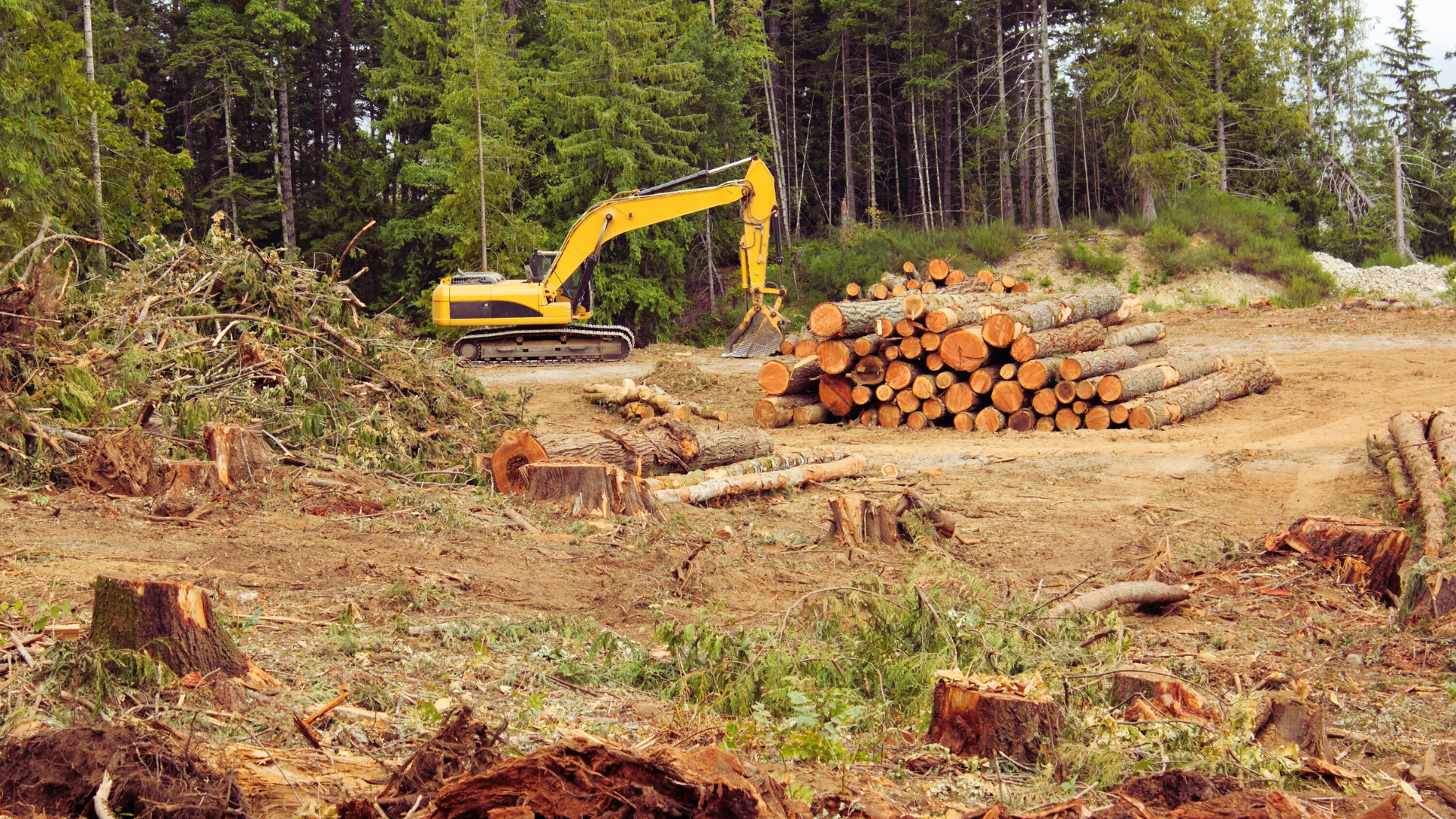
Deforestation causes significant loss of habitats, directly reducing the variety of species that forests can support. It disrupts ecosystems and leads to a decline in global biodiversity by removing crucial resources like food and shelter for many animals and plants.
As trees are cut down, the balance of nature is disturbed, affecting species interactions and survival rates. This impact extends worldwide, particularly in tropical rainforests where many unique species live.
The ongoing removal of forests not only threatens individual species but also weakens entire ecosystems, making them less resilient to environmental changes. Understanding these effects is vital to addressing the decline in biodiversity globally.
Deforestation and Global Biodiversity Loss
Deforestation directly alters habitats, reducing the number and variety of species. It disrupts ecological balance, leading to significant biodiversity declines across various forest types and regions.
Overview of Deforestation Trends
Global deforestation rates have fluctuated but remain high, especially in tropical regions. Between 2000 and 2020, tropical deforestation caused the loss of approximately 178 million hectares of forest, according to global datasets.
The main drivers include logging, agricultural expansion, and infrastructure development. While temperate forests show some recovery due to reforestation efforts, tropical forests continue to face rapid clearance.
This ongoing forest loss contributes notably to global change, influencing climate, soil quality, and the survival of numerous species. Meta-analyses confirm that the intensity and scale of deforestation correlate strongly with biodiversity decline.
Global Hotspots and Forest Types
Deforestation impacts vary across hotspots such as the Amazon, Congo Basin, and Southeast Asia. These regions hold high biodiversity but also experience the highest forest loss rates.
Tropical forests are the most affected due to their dense biodiversity and economic pressures like palm oil cultivation and cattle ranching. Tropical deforestation threatens endemic species found nowhere else.
Temperate forests in North America and Europe have seen more regulated management but remain vulnerable to fragmentation and invasive species. Meanwhile, native forest remnants worldwide serve as critical biodiversity refuges but face fragmentation from deforestation.
The loss of forest types weakens ecosystem services, such as carbon storage and water regulation, integral to global biodiversity conservation efforts.
Role of Native and Tropical Forests
Native forests provide habitat complexity essential for many species’ survival. They support intricate food webs and genetic diversity absent in monoculture plantations.
Tropical forests house over half of terrestrial species, making tropical deforestation a key driver of species loss globally. These ecosystems maintain vital ecological functions that are disrupted when forests are cleared.
Deforestation alters microclimates, reducing humidity and increasing temperatures, further stressing native species. The conversion of native to non-native or degraded forest reduces biodiversity resilience to global change.
Protection of native and tropical forests is crucial to maintaining global biodiversity and ecosystem stability.
Impact on Species Richness and Extinction Rates
Deforestation leads to habitat loss, sharply reducing species richness. Forest clearing fragments habitats, isolating populations and restricting gene flow.
Studies using meta-analyses indicate that species in deforested areas face extinction rates up to 100 times higher than those in intact forests. Endemic and specialised species are particularly vulnerable.
Loss of species disrupts ecological functions such as pollination and seed dispersal, further accelerating biodiversity decline. The extinction risk rises as deforestation continues unchecked, especially in tropical regions with dense, unique species assemblages.
Effects of Forest Conversion on Terrestrial Ecosystems
Forest conversion dramatically alters terrestrial ecosystems by changing land use, fragmenting habitats, and replacing native forests with managed lands. These changes affect species diversity, ecosystem functions, and the survival of native wildlife.
Land-Use Change and Habitat Fragmentation
Land-use change from native forests to agriculture or urban areas causes habitat fragmentation. This breaks continuous habitats into isolated patches, reducing species movement and breeding opportunities.
Smaller, fragmented habitats support fewer species and often favour generalist or invasive species. Native forest conversion also disrupts ecological processes like pollination and seed dispersal, leading to long-term declines in biodiversity.
Fragmentation increases edge effects, where the perimeter of habitat patches is more exposed to environmental changes. These edge zones often experience higher temperatures, wind, and invasive species, negatively impacting sensitive fauna and flora.
Plantations and Managed Ecosystems
Replacing native forests with plantations—such as oil palm or timber—creates simplified landscapes. These managed ecosystems usually contain fewer plant species and provide limited habitat complexity.
Plantations often support less diverse wildlife compared to native forests due to uniform tree species and intensive management. They can act as ecological traps, attracting animals but failing to meet their nesting or feeding needs.
While plantations can reduce pressure on natural forests by providing wood products, they rarely compensate for biodiversity losses from forest conversion. Their value depends on plantation type, management, and surrounding landscape connectivity.
Croplands, Grasslands, and Associated Wildlife Decline
Conversion of native forests to croplands and grasslands replaces structurally complex habitats with simplified ones. These land uses reduce the availability of shelter and food for many native animals.
Croplands often involve pesticide use and soil disturbance, intensifying wildlife declines. Grasslands created from forest clearances hold fewer tree-dependent species and alter local microclimates.
Wildlife declines are most severe for specialist species that rely on native forests. Generalist species may survive, but ecosystems lose critical functions such as nutrient cycling and habitat complexity.
| Land Use Type | Biodiversity Impact | Key Characteristics |
| Native Forest | High species richness and complexity | Diverse plant and animal communities |
| Plantations | Reduced biodiversity and habitat quality | Uniform, managed species |
| Croplands | Significant wildlife loss | Simplified habitat, chemical use |
| Grasslands | Lower tree-dependent species | Open, less structurally complex |
Soil Biodiversity and Ecosystem Functioning After Deforestation
Deforestation significantly alters soil biodiversity and disrupts critical ecosystem processes. Changes in microbial communities affect carbon storage, nutrient cycling, and soil properties, which together influence overall ecosystem functionality.
Impact on Microbial Diversity and Soil Communities
Deforestation reduces bacterial diversity and disrupts fungal communities, including key fungal guilds such as saprotrophs and mycorrhizal fungi. This loss impairs essential microbial interactions necessary for soil health.
Bacterial populations often decline in richness and abundance, while fungal diversity may shift toward opportunistic or pathogenic species. These changes weaken soil microbial networks responsible for organic matter decomposition and nutrient mobilisation.
The decline in microbial diversity reduces soil ecosystem resilience and limits recovery potential following disturbances. It also disrupts symbiotic relationships vital for plant nutrient uptake, affecting overall forest regeneration.
Changes in Carbon Storage and Nutrient Cycling
Soil beneath deforested areas shows decreased carbon storage due to reduced organic matter inputs and altered microbial activity. Soil microbial communities become less efficient at breaking down organic matter, slowing carbon sequestration.
Nutrient cycling, particularly nitrogen and phosphorus availability, is impaired as deforestation alters microbial-driven mineralisation processes. Total phosphorus levels may drop due to erosion and soil degradation.
This disruption affects plant nutrient availability and soil fertility over time. Reduced nutrient cycling translates to diminished ecosystem productivity and affects broader food web dynamics.
Alterations in Soil Properties and Functional Rates
Deforestation affects key soil properties such as soil pH, texture, moisture, and compaction. These changes create unfavourable conditions for many soil organisms. Soil pH often rises due to reduced organic acid inputs, impacting microbial functional groups differently.
Shifts in soil properties lead to lower soil functional rates, including organic matter decomposition and nutrient mineralisation. This slows ecosystem functions such as carbon cycling and nutrient retention.
Changes in soil physical structure caused by deforestation increase erosion risk and reduce water infiltration. These alterations degrade habitat conditions for soil biodiversity, further impairing ecosystem functions.
Wider Consequences and Paths to Sustainable Restoration
Deforestation causes far-reaching impacts beyond species loss. It disrupts ecological functions, affects climate patterns, and drives pollution. Addressing these problems requires targeted forest restoration and sustainable development strategies.
Loss of Ecosystem Services
Deforestation leads to significant reductions in critical ecosystem services such as water regulation, soil fertility, and pollination. When forests are disturbed, these functions degrade rapidly, affecting agriculture and drinking water supplies.
In Southeast Asia, for instance, forest disturbances have lowered soil stability, increasing erosion and risking landslides. The decline in native pollinators further threatens crop yields. The loss of habitat also reduces biodiversity that supports these ecosystem services.
Protecting and restoring forests is essential to maintain these natural benefits. Without them, many communities face increased vulnerability to environmental problems and economic instability.
Implications for Global Climate and Pollution
Forests act as major carbon sinks, absorbing carbon dioxide and helping to regulate the global climate. Deforestation releases stored carbon, contributing to greenhouse gas emissions and climate change.
Additionally, land clearing practices, especially slash-and-burn in regions like Southeast Asia, generate extensive air pollution from wildfires. These fires release smoke and particulate matter that degrade air quality and harm public health.
Forest loss reduces the ability of ecosystems to filter pollutants, leading to increased contamination in waterways and soil. This worsens environmental quality locally and globally, amplifying climate-related disturbances.
Forest Restoration and Sustainable Development
Forest restoration offers a practical route to recover biodiversity and ecosystem services while mitigating climate impacts. Replanting native vegetation can stabilise soils, enhance carbon sequestration, and restore habitats.
Sustainable development models integrate forest management with economic growth, promoting activities like agroforestry and eco-tourism. These approaches support livelihoods without further deforestation.
Key practices include:
- Community-based forest management
- Legal enforcement to prevent illegal logging
- Incentives for conservation and sustainable land use
Such efforts are crucial to balancing environmental health with human needs, particularly in deforestation hotspots like Southeast Asia.