
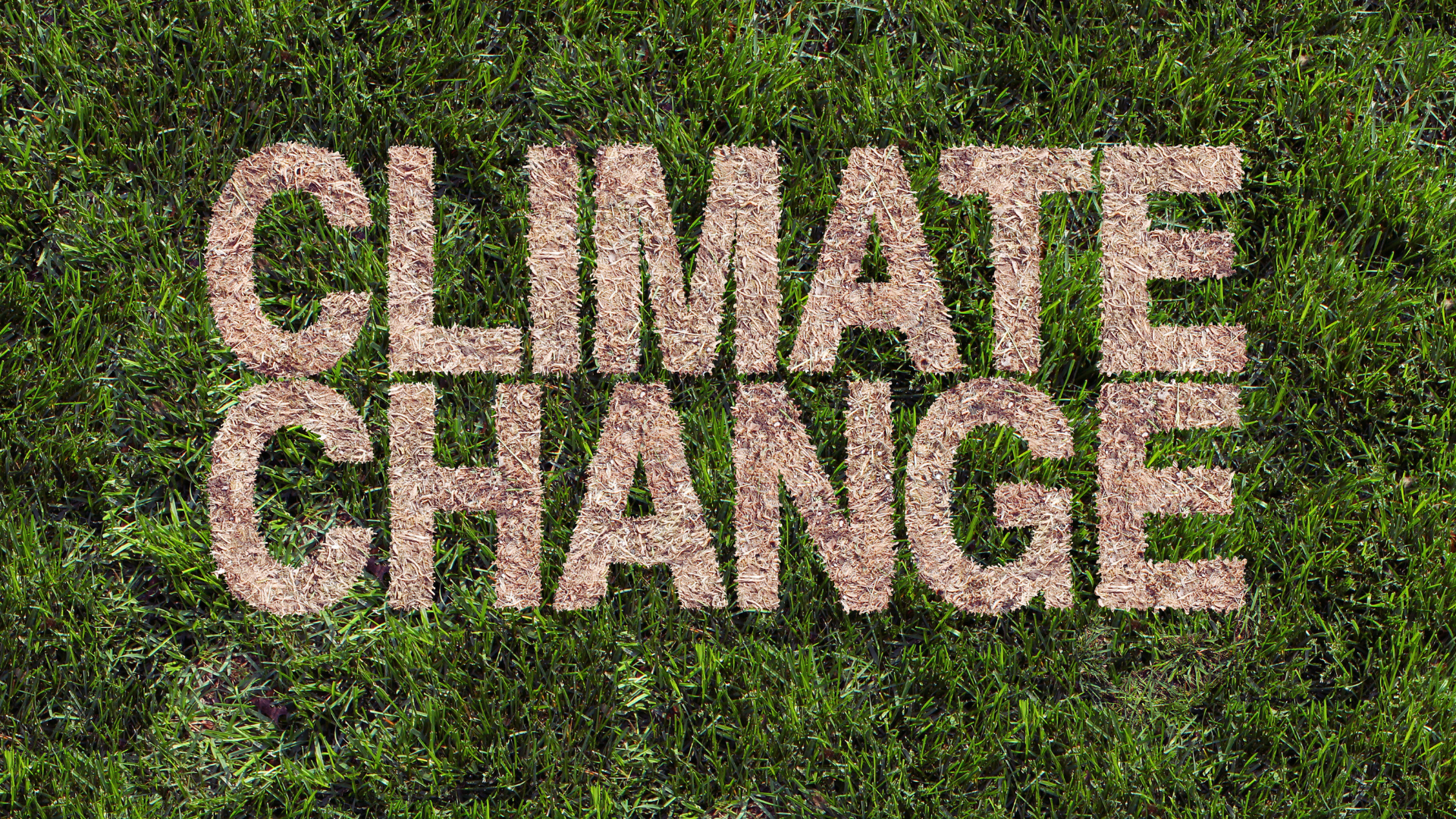
Climate change is directly increasing the rate at which natural habitats are being destroyed around the world. Rising temperatures, shifting weather patterns, and extreme events like floods and droughts disrupt ecosystems, making it harder for plants and animals to survive. This acceleration of habitat loss threatens biodiversity and the balance of natural environments.
As habitats become less stable, species are forced to move or face extinction, which further disrupts ecosystems. Human activities linked to climate change, such as deforestation and land conversion, compound this damage by removing critical shelter and food sources. Understanding these processes is vital to addressing habitat destruction effectively.
How Climate Change Accelerates Habitat Destruction
Climate change intensifies various environmental processes that result in the degradation and loss of natural habitats. Temperature shifts, rising seas, changing ocean chemistry, and extreme weather events each contribute to habitat destruction in distinct but interconnected ways.
Rising Temperatures and Changing Precipitation Patterns
Global temperature rise disrupts ecosystems by altering the conditions species depend on. Increased temperatures can exceed the tolerance levels of many plants and animals, forcing migrations or causing population declines.
Changing precipitation patterns exacerbate droughts in some regions and increase flooding in others. Droughts reduce freshwater availability and soil moisture, stressing vegetation and leading to habitat degradation. Conversely, heavier rainfall causes soil erosion and nutrient loss.
These shifts affect biodiversity by shrinking suitable habitats. Species in specialised or limited environments are at higher risk, as they cannot adapt quickly to rapid changes in temperature or rainfall.
Sea Level Rise and Coastal Habitat Loss
Rising sea levels, driven by melting polar ice and thermal expansion, threaten coastal ecosystems worldwide. Salt marshes, mangroves, and tidal flats are particularly vulnerable to inundation and erosion.
As sea levels climb, coastal erosion removes vital habitat for plants and animals. Saltwater intrusion also degrades freshwater wetlands, reducing habitat quality.
In some areas, human development blocks natural inland migration of coastal habitats, causing “coastal squeeze” where habitats vanish under rising waters without space to relocate.
Ocean Warming and Acidification
Ocean warming results directly from increased greenhouse gas emissions, affecting marine ecosystems extensively. Higher temperatures disrupt coral reefs by causing bleaching, which diminishes biodiversity and nursery grounds for many species.
Ocean acidification, driven by excess carbon dioxide absorption, reduces carbonate ion availability necessary for shell-building organisms. This affects corals, molluscs, and some plankton, harming food chains and habitat structures.
These combined changes weaken marine ecosystems’ resilience, accelerating habitat loss underwater.
Increased Frequency of Extreme Weather Events
Extreme weather events, such as wildfires, floods, storms, and droughts, are rising in frequency and intensity due to climate change. These events cause immediate and often severe habitat destruction.
Wildfires intensify with drought conditions, destroying forests and grasslands. Floods erode soil and wash habitats away, while storms damage coastal and inland ecosystems.
Frequent disturbances from extreme events hinder ecosystem recovery and can permanently alter habitat structure and composition, contributing to ongoing habitat loss.
Impacts on Biodiversity and Ecosystems
Climate change intensifies habitat destruction, severely affecting species and ecosystems worldwide. This leads to sharp declines in food availability, disrupted ecological roles, and weakened ecosystem functionality.
Biodiversity Loss and Species Extinction
Rising temperatures and altered rainfall patterns shift habitats faster than many species can adapt. This accelerates species extinction rates, especially in biodiversity hotspots like tropical rainforests and coral reefs. Marine species also face habitat degradation from warming oceans and acidification.
The ongoing sixth mass extinction is partly driven by habitat loss linked to climate change. Species with specialised habitat needs or narrow ranges are particularly vulnerable, pushing global biodiversity toward critical thresholds.
Disruption of Food Sources and Ecological Interactions
Climate changes affect the timing and availability of key food sources. For instance, earlier flowering of plants can desynchronise with the activity of pollinating insects, reducing seed production. This impacts wildlife that relies on those seeds for nutrition.
Marine life suffers as warming reduces plankton levels, disrupting food chains. Changes in food availability alter predator-prey relationships, causing cascading effects through ecosystems.
Decline of Ecosystem Services
Healthy ecosystems provide services such as pollination, water purification, and carbon storage. Habitat loss and species decline degrade these services, affecting human well-being and natural resilience.
Forest and wetland ecosystems show reduced capacity to regulate climate and control floods. The decline in insect populations diminishes pollination rates, endangering both wild and agricultural plants.
Population Decline and Survival Challenges
Species population sizes decrease due to reduced suitable habitats and food shortages. Limited genetic diversity from small populations makes species less adaptable to environmental changes.
Animals facing climate pressures must either migrate or endure harsher conditions, often leading to lower reproductive success and higher mortality. This challenges the survival of many wildlife populations, contributing to the ongoing biodiversity crisis.
Vulnerable Habitats and Case Studies
Climate change is intensifying damage to critical ecosystems worldwide. These environments face unique pressures that accelerate loss of biodiversity and degradation of natural functions.
Tropical Forests and Deforestation
Tropical forests, including the Amazon and Sumatra, are crucial carbon sinks but are rapidly shrinking due to rising temperatures and altered rainfall patterns. Droughts linked to climate change increase forest fires, worsening deforestation rates already driven by logging and agriculture.
The Amazon rainforest shows signs of increased tree mortality, threatening species like orangutans. These combined stresses reduce forest resilience and carbon storage capacity. Deforestation hotspots coincide with areas experiencing severe climate anomalies, compounding habitat loss.
Polar and Arctic Environments
Polar and Arctic habitats are experiencing some of the fastest warming on Earth. Melting sea ice and thawing permafrost disrupt the ecosystems that support polar bears and other native species.
Loss of ice reduces hunting grounds for polar bears and affects marine ecosystems dependent on stable ice conditions. Changes in freshwater availability and temperature alter species distributions, challenging wildlife survival. These effects threaten the fragile balance of Arctic biodiversity and increase vulnerability to human activities.
Coral Reefs and Marine Ecosystems
Coral reefs like the Great Barrier Reef face underwater warming and acidification. These stressors cause coral bleaching, where corals expel algae that provide nutrition, often leading to coral death.
Bleached reefs lose their complexity, dragging down marine biodiversity and disrupting fisheries important for coastal communities. Marine life dependent on healthy reefs suffers declines, impacting broader marine ecosystems. Ocean temperature rises also alter migratory patterns of key species, creating ecosystem imbalances.
Wetlands, Mangroves, and Peatlands
Wetlands, mangrove forests, and peatlands regulate water quality and store carbon but are sensitive to temperature and sea-level shifts. Mangrove forests in estuaries buffer shorelines but face rising seas and salinity changes, threatening species like ducks and fish.
Peatlands hold significant carbon stocks, but drying increases fire risks and carbon release. Wetlands in the western United States show decreased freshwater availability, impacting biodiversity and ecosystem services. Protection of these habitats is uneven, with many outside protected areas, increasing their vulnerability to climate change impacts.
Addressing Habitat Destruction in a Changing Climate
Effective responses to habitat destruction require integrated approaches combining restoration, sustainable land use, and clear climate-focused policies. These strategies strengthen ecosystems’ resilience while supporting biodiversity, carbon storage, and sustainable livelihoods.
Conservation and Restoration Efforts
Conservation focuses on protecting existing habitats through established wildlife corridors and protected areas, which help maintain biodiversity and genetic flow. Ecosystem restoration, including reforestation and rewilding, rebuilds degraded lands, enhancing carbon sinks and supporting climate regulation.
Nature-based solutions like agroforestry and wetland restoration improve carbon sequestration while providing habitats. Adaptive management adjusts conservation strategies continually, responding to climate impacts and ecosystem feedbacks. The United Nations Environment Programme promotes such initiatives globally to safeguard natural resources and protect biodiversity under climate stress.
Sustainable Land Use and Agriculture
Sustainable agriculture limits habitat loss by balancing food production with ecosystem health. Techniques such as agroforestry integrate trees within farming, increasing carbon storage and supporting wildlife habitats.
Reducing global food demand through efficient crop use and decreasing waste also mitigates pressure on land. Sustainable land use prevents further expansion into natural habitats, conserving carbon sinks and maintaining soil quality. This approach is critical for food security in a warming world.
Climate Action and Policy Solutions
Robust climate policy commits to reducing fossil fuel reliance and expanding renewable energy to limit further habitat damage. National and international frameworks prioritise emission cuts while promoting conservation and restoration.
Policies often embed climate action within sustainable development goals, linking habitat preservation and carbon management. Enforcement of these policies reinforces natural resource protection, integrating biodiversity goals with climate resilience. Effective governance, combined with targeted incentives, enables a sustainable future aligned with climate commitments.