
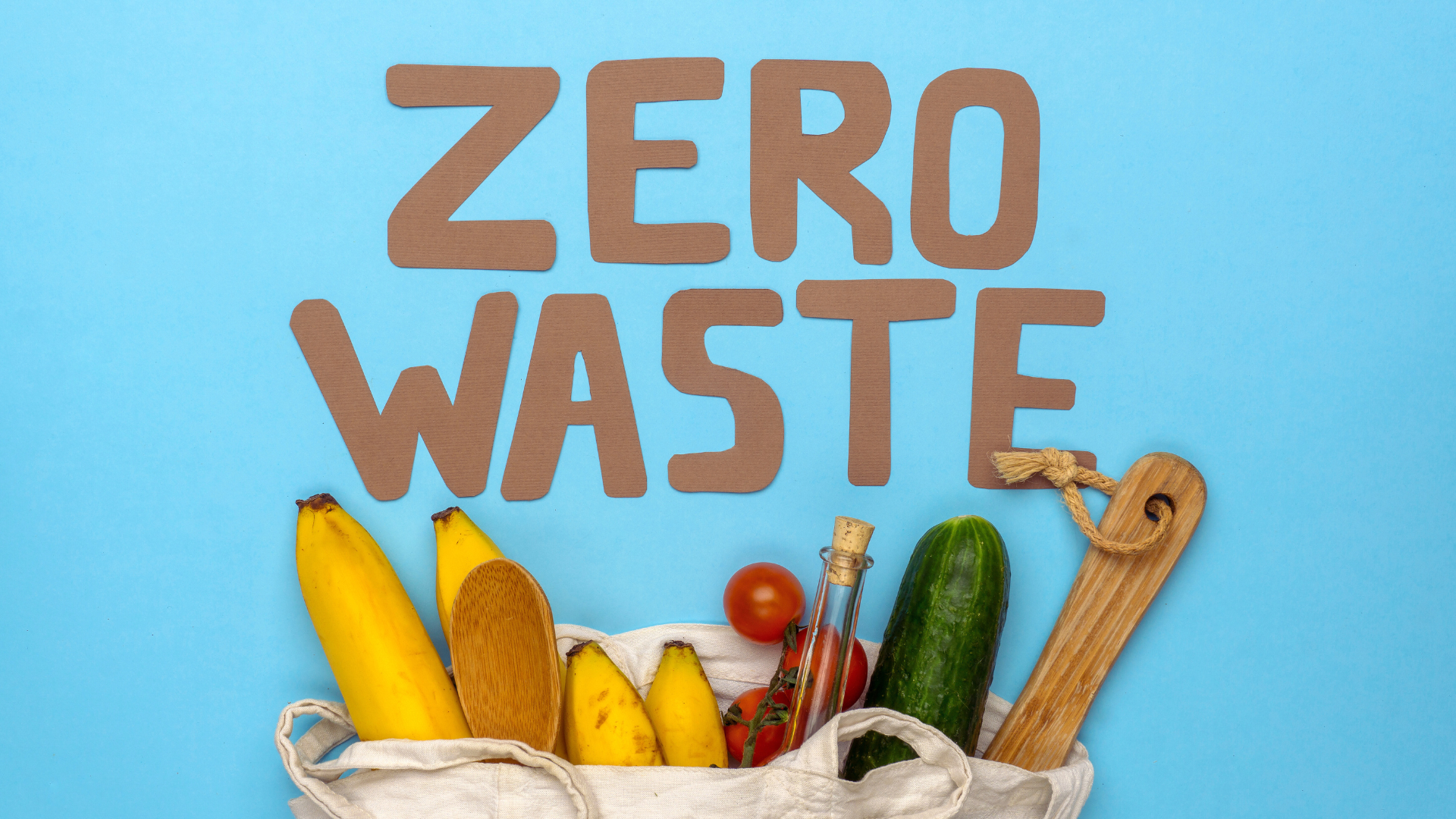
Creative solutions are essential for addressing pressing issues such as environmental damage, climate change, and global warming. Innovative approaches not only minimise harm but also restore ecosystems, enhance biodiversity, and promote sustainability. Engaging the community in these initiatives is vital, as collective action can generate significant positive change.
From urban reforestation to implementing circular economies, there are numerous ways to tackle environmental challenges. Strategies like utilising green roofs, creating wildlife corridors, and supporting renewable energy projects can significantly mitigate the effects of climate change. Each creative method contributes to a broader strategy of environmental recovery and resilience.
Exploring these unique solutions sparks inspiration and encourages individuals and organisations to rethink their impact on the planet. By implementing effective practices, communities can play a critical role in reversing current trends and fostering a healthier environment for future generations.
Innovative Material Use and Waste Reduction
Addressing environmental damage requires creativity in utilising materials and reducing waste. Employing sustainable materials and enhancing waste management practices can significantly mitigate harmful effects on the ecosystem.
Pioneering Sustainable Materials
Many companies are exploring sustainable materials that minimise environmental impact. For instance, bioplastics made from corn starch or sugarcane offer an alternative to traditional plastics, reducing reliance on fossil fuels.
Additionally, innovations like mycelium packaging, derived from fungi, provide biodegradable substitutes for polystyrene. These materials can decompose naturally, unlike conventional plastics.
Using recycled materials in construction, such as reclaimed wood and recycled steel, results in less waste and preserves natural resources. Emphasising these materials not only conserves ecosystems but can also stimulate local economies through new markets.
Driving Down Food Waste Through Composting
Composting is an effective method for managing food waste and enriching soil. By converting organic waste into compost, communities can divert waste from landfills, which often contribute to methane emissions.
Local initiatives encourage individuals and businesses to participate in composting programs, turning scraps into valuable nutrients for gardens and farms. These community efforts can significantly reduce the volume of food ending up in waste.
Educational campaigns highlight the benefits of composting, aiding in the integration of composting practices into everyday life. In addition, cities can establish composting facilities to handle larger-scale food waste.
Enhancing Recycling Processes
Advancements in recycling technology have improved the efficiency of reclaiming materials. Modern sorting systems, often equipped with AI, can identify and separate various types of plastics and metals with greater accuracy.
Education plays a crucial role in enhancing recycling rates. Public awareness campaigns inform citizens about properly sorting recyclables, reducing contamination and increasing the effectiveness of recycling programmes.
Moreover, encouraging closed-loop systems, where waste materials are repurposed into new products, fosters a circular economy. Key industries are adopting these practices, supporting sustainability efforts while minimising resource extraction.
Energy Efficiency and Carbon Footprint Mitigation
Improving energy efficiency and reducing carbon footprints are critical steps for mitigating environmental damage. Specific strategies in transportation and agriculture can significantly lower emissions while promoting sustainability.
Promoting Electric Vehicles and Carpooling
The transition to electric vehicles (EVs) directly addresses carbon emissions associated with traditional combustion engines. Governments and organisations can incentivise the adoption of EVs through subsidies, tax benefits, and charging infrastructure development.
Additionally, carpooling reduces the number of vehicles on the road, leading to fewer emissions. Platforms that facilitate carpooling can encourage shared commuting, thus minimising individual carbon footprints. By promoting these practices, communities can enhance local air quality and reduce overall greenhouse gas emissions.
Minimising Carbon Emissions in Agriculture
Agriculture contributes significantly to global greenhouse gas emissions through practices like fertiliser use and livestock management. Innovative techniques, such as precision farming, can optimise resource use and reduce unnecessary emissions.
Implementing cover crops and crop rotation can enhance soil health and sequester carbon. Furthermore, adopting sustainable animal husbandry practices reduces methane emissions from livestock. These strategies not only minimise the agricultural carbon footprint but also promote food sustainability.
Reducing Greenhouse Gas Emissions through Public Transportation
Public transportation plays a vital role in reducing carbon emissions by providing an efficient alternative to individual car usage. Cities can enhance their public transit systems through investment in reliable and frequent services.
Encouraging the use of buses, trains, and trams can decrease reliance on personal vehicles. Additionally, integrating cycling and walking infrastructure with public transport options can further reduce greenhouse gas emissions, leading to a more sustainable urban environment. Improved public transportation systems contribute to lower overall carbon footprints for communities.
Ecosystem Restoration and Pollution Control
Effective measures for ecosystem restoration focus on revitalising environments and controlling pollutants. Significant attention is directed towards rehabilitating waterways, reducing air contaminants, and managing debris in oceans.
Revitalisation of Polluted Waters
Polluted water bodies significantly impact biodiversity and human health. Techniques for revitalisation include bioremediation, which employs microorganisms to break down pollutants. This method is effective for contaminants such as oil spills and heavy metals.
Wetland restoration can also improve water quality. By restoring natural habitats, wetlands can filter pollutants, reduce nutrient runoff, and enhance wildlife habitats. Installing constructed wetlands as natural treatment systems offers a sustainable approach to managing stormwater and industrial discharges.
Countering Air Pollution
Air pollution, driven primarily by greenhouse gases and industrial emissions, poses severe risks to human health and ecosystems. Strategies to combat this include the promotion of renewable energy sources, which significantly reduce carbon emissions.
Urban areas can implement green roofs and vertical gardens to absorb pollutants and provide cooling benefits. Additionally, enhancing public transport reduces reliance on personal vehicles, lowering overall air pollution levels. Informing the public about the effects of air quality is vital for fostering community involvement in pollution control.
Tackling Marine Debris and Microbeads
Marine debris, particularly plastic waste and microbeads, threatens marine ecosystems and wildlife. Key strategies include banning single-use plastics and promoting alternatives. Legislative measures can enforce restrictions on plastic production and enhance recycling efforts.
Cleaning initiatives, such as beach clean-ups, are crucial for immediate debris removal. Education campaigns can inform communities about proper disposal methods and the harmful effects of microbeads, found in many cosmetics.
Companies are encouraged to seek biodegradable materials as substitutes for microbeads, aiding in the protection of marine environments.
Encouraging Biodiversity and Natural Defences
Promoting biodiversity and enhancing natural defences play crucial roles in mitigating environmental damage. Strategies such as fostering beneficial insects and limiting pesticide use can significantly impact ecosystem health.
Promotion of Beneficial Insects
Encouraging beneficial insects maximises natural pest control and pollination. Specific insects, such as ladybirds and lacewings, prey on harmful pests, reducing the need for synthetic pesticides.
Farmers can implement strategies like planting diverse crops and utilising cover crops to attract these insects. Native flowering plants can serve as habitats and food sources, promoting a balanced ecosystem.
Maintaining healthy populations of beneficial insects can yield multiple outcomes, including increased crop yields and reduced reliance on chemical inputs. This not only conserves soil health but also contributes to carbon dioxide reduction in the atmosphere.
Restricting Usage of Pesticides
Restricting pesticide usage is vital for protecting biodiversity. Pesticides can be detrimental to non-target species, including beneficial insects and soil microorganisms.
Adopting integrated pest management (IPM) techniques allows farmers to minimise pesticide use effectively. IPM encourages monitoring pest populations and utilising biological control measures or organic alternatives when necessary.
Legislation can also play a key role in regulating harmful pesticide application. By fostering stricter guidelines, ecosystems can recover and thrive, ultimately leading to a healthier agricultural environment and improved natural defences against pests and diseases.